Protect Entryway Stone Before Toronto’s Winter Salt Arrives
Top Marble Care Inc. receives an influx of frantic calls every spring from clients whose entryway floors were completely ruined over the winter. Road salt and slush are the absolute worst enemies of natural stone surfaces. When people track melting ice and harsh municipal deicers into a building, the chemicals sit on the floor and begin eating into the stone immediately.
For Toronto property owners, waiting until December to think about floor protection is a massive mistake. Once the heavy snow arrives, it is virtually impossible to keep the entryways dry enough for a professional contractor to perform proper maintenance. You must secure your porous surfaces while the fall weather still permits dry conditions. Completing your cleaning and sealing now is the only way to survive the harsh Canadian winter.
Winter Prep Stages:
- Stage 1: Assess Current Porosity And Damage
- Stage 2: Schedule Professional Sealing And Repair
- Stage 3: Protect Through Winter Maintenance
- Frequently Asked Questions
Stage 1: Assess Current Porosity And Damage
Before the freezing temperatures lock in, you need to know exactly how vulnerable your lobby or mudroom floors are. The protective sealer applied last year has likely worn away from heavy summer foot traffic.
- The Water Test: Pour a tablespoon of clean water in the main walking path and see if it absorbs and darkens the stone within five minutes.
- Inspect For Scratches: Look closely for dull, white scratches near the threshold where grit has already compromised the factory polish.
- Check Old Repairs: Examine any previous cracks and chip repairs to ensure the resin patches are still securely bonded and flush with the tile.
► A critical fact for the season: Municipal road salt contains harsh chemical melting agents that will permanently burn and pit unsealed calcium based stone within a matter of days.
Stage 2: Schedule Professional Sealing And Repair
Finding out your floors are unprotected means you must move quickly to secure a spot on a professional maintenance schedule. Fall is the final window for effective preventative care.
- Act Immediately: Call your restoration contractor right now before the first frost fills their calendar with commercial emergency calls.
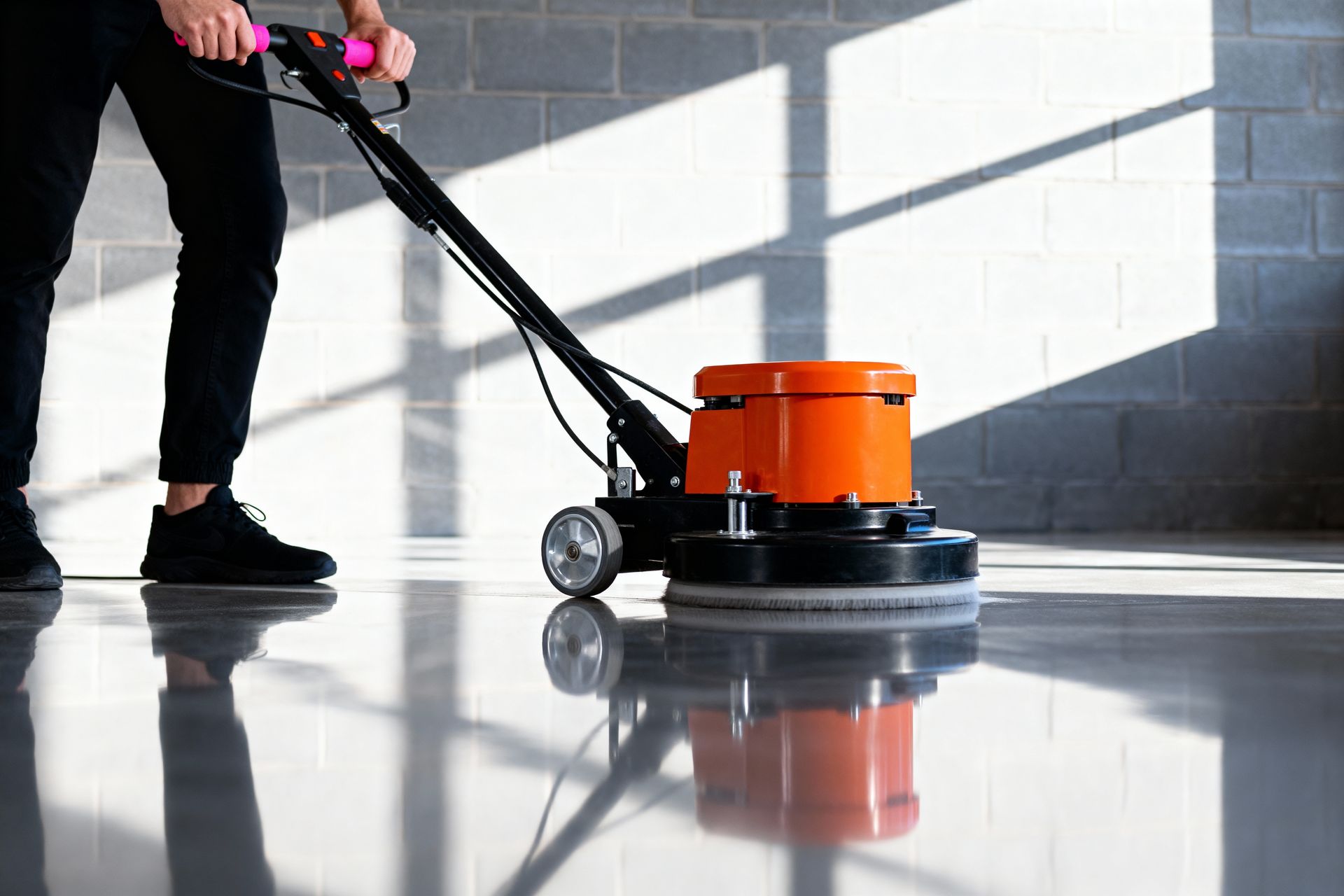
- Mandate Deep Cleaning: Ensure the service includes mechanical scrubbing to pull embedded dirt out of the pores before the new sealer is applied.
- Specify Impregnators: Request a heavy duty penetrating sealer that sinks below the surface rather than a topical coating that winter boots will quickly scrape off.
Stage 3: Protect Through Winter Maintenance
A fresh coat of premium sealer is your primary defense, but physical barriers and daily habits are required to survive the slushy months. You must assist the chemical protection with practical facility management.
- Upgrade Matting: Install high quality, waterproof walk off mats that extend at least ten feet into the building to catch the majority of the salt.
- Frequent Extraction: Use a wet vacuum to pull standing slush off the floor immediately rather than letting it evaporate and leave concentrated salt crusts behind.
- Neutralize Salt: Wash the floors daily with a specialized neutralizer designed to break down calcium chloride without damaging the stone sealer.
Frequently Asked Questions
How does rock salt damage marble floors?
Rock salt causes severe damage through both mechanical scratching and chemical burning. The hard salt crystals act like coarse sandpaper under heavy boots, grinding away the polished finish. As the salt melts into slush, the high alkaline chemicals react with the calcium in the marble and cause permanent pitting and etching.
Can professional sealing block all salt stains?
A high quality penetrating sealer buys you critical time to clean up the slush, but it is not an invincible force field. It prevents the salty water from immediately sinking deep into the pores of the stone. However, if concentrated salt slush is left sitting on the floor for days, it will eventually burn through the sealer and etch the surface.
How often should commercial entryways be sealed?
High traffic commercial entryways in regions with harsh winters should be professionally deep cleaned and sealed at least once a year. The optimal time for this service is late fall, just before the municipal salt trucks begin treating the roads.
Securing Your Winter Defense Plan
Ignoring your vulnerable stone floors during the fall guarantees you will face expensive structural repairs when spring arrives. Stop putting off this critical preventative maintenance and check the porosity of your thresholds today. Reach out to our dedicated team immediately to book your pre winter sealing service before the freezing weather hits.