Why Acidic Cleaners Ruin Polished Concrete & What You Should Use
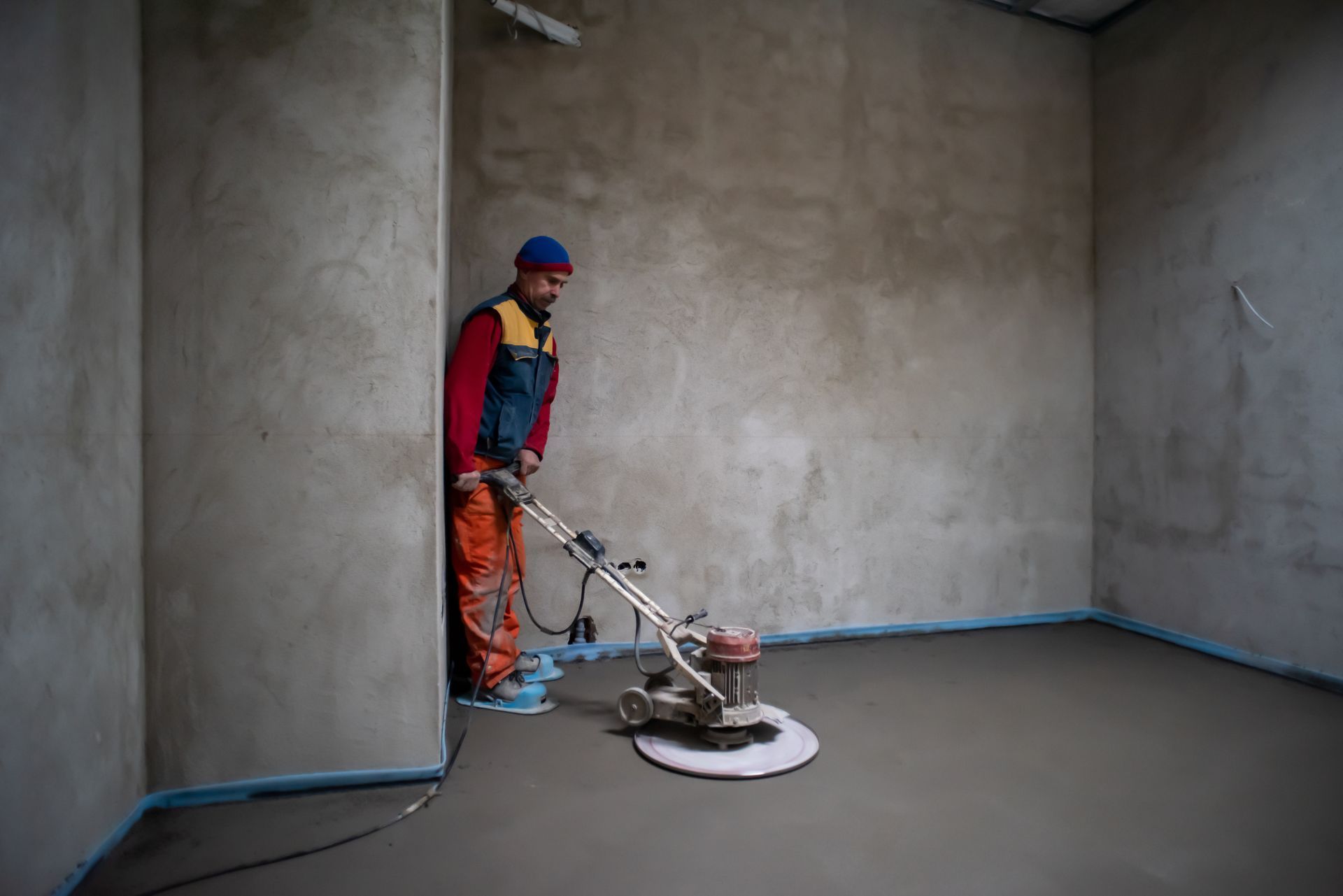
Top Marble Care Inc. handles commercial and residential concrete polishing, and we constantly encounter beautiful floors destroyed by improper daily care. Hardened cement is incredibly durable against physical impacts, but it is highly vulnerable to chemical attacks. The specialized densifiers used during the mechanical polishing process react poorly when introduced to the wrong household or commercial chemicals.
Toronto business owners and homeowners often mistakenly assume that tough concrete requires harsh degreasers for daily maintenance. Using aggressive chemicals slowly dissolves the hardened surface and reverses all the benefits of the mechanical polishing process. Establishing a strict maintenance protocol prevents premature wear and keeps your floors protected against staining. This guide outlines the exact routines needed to maintain your investment.
Maintenance Guide Checklist:
- The Chemistry Of Acid Damage On Slabs
- The Most Common Maintenance Mistakes
- Daily Care Routines For Concrete
The Chemistry Of Acid Damage On Slabs
Understanding how your floor was built helps explain why certain liquids destroy it. The hard surface relies on a chemical reaction that can be easily undone by harsh cleaning products.
- Densifier Breakdown: Concrete polishing uses silicate densifiers that react with calcium hydroxide in the slab, and acidic cleaners dissolve these newly formed bonds.
- Porosity Reversal: Stripping away the hardened paste reopens the microscopic pores, allowing dirty mop water to absorb deep into the cement.
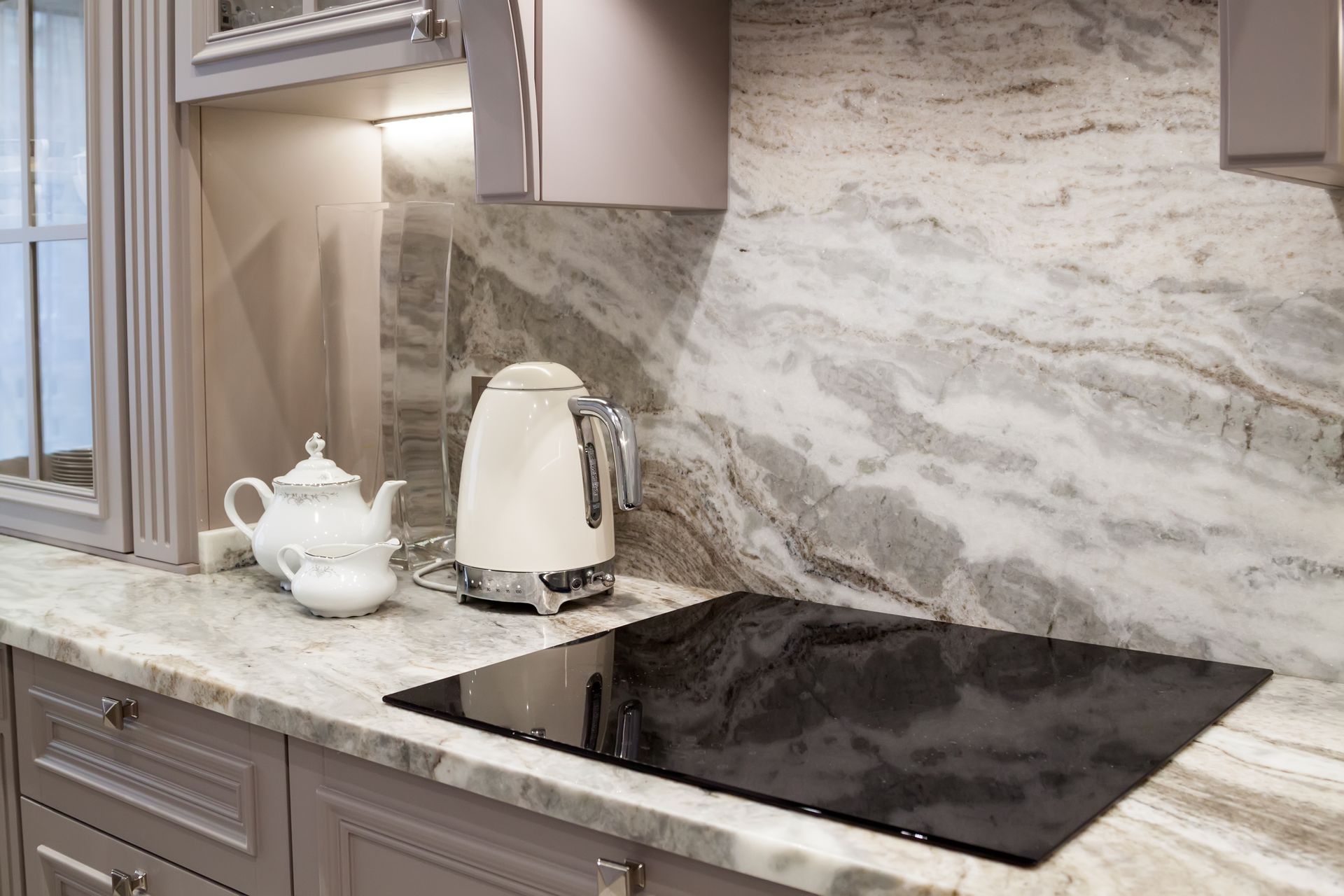
- Surface Etching: Just like natural stone, hardened cement will physically etch and lose its mechanical shine when exposed to low pH liquids.
The Most Common Maintenance Mistakes
The biggest threat to a polished floor usually comes from the person hired to clean it. Commercial janitorial staff and homeowners frequently use products that slowly ruin the surface over time.
What is the best cleaner for a polished concrete floor?
The best cleaner for a polished concrete floor is a dedicated pH neutral detergent formulated specifically for densified slabs. These cleaners suspend dirt and grease without using aggressive acids or high alkaline caustics. They rinse away completely clean without leaving a sticky film that attracts more dust.
- Vinegar Solutions: Never use water mixed with vinegar, as the acetic acid will chemically burn the floor and remove the glossy finish.
- Heavy Degreasers: Avoid industrial degreasers and bleach, which dry out the slab and cause the surface to become brittle and chalky.
- Adding Waxes: Stop applying mop on waxes to polished floors, as they trap dirt and defeat the purpose of a breathable mechanical finish.
► The most important maintenance fact to remember: Using a harsh acidic cleaner just a few times will completely strip the protective densifier from your floor and force you to pay for a full mechanical re-polishing.
Daily Care Routines For Concrete
Protecting the surface requires consistent daily habits rather than occasional aggressive scrubbing. Removing dry soil before it gets wet is the secret to a long lasting floor.
- Dry Dusting: Run a clean microfiber dust mop over the floor daily to capture the fine silica sand that acts like sandpaper under foot traffic.
- Proper Dilution: Always mix your neutral cleaner strictly according to the manufacturer instructions to avoid leaving soapy residue on the floor.
- Immediate Spill Response: Wipe up spills immediately, especially acidic liquids like coffee, wine, or citrus juice, before they have time to react with the cement.
Protecting Your Concrete Finish
Relying on generic hardware store cleaners guarantees a short lifespan for your freshly polished floors. Take inventory of your janitorial closet today and throw away any acidic or heavy alkaline products meant for standard tile. Contact our team to request a list of approved neutral cleaners and book a professional maintenance burnish to restore your floor.